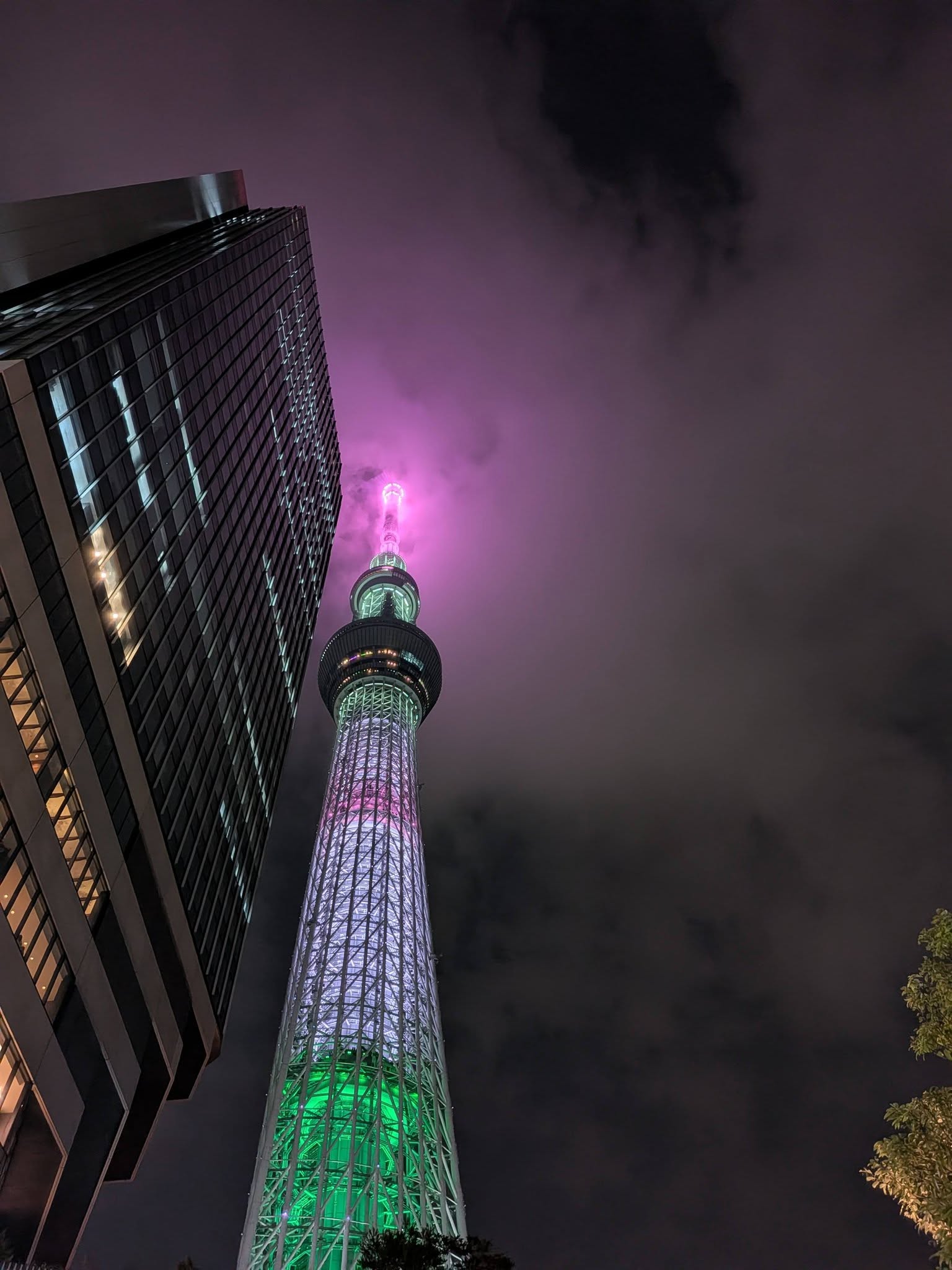
Tokyo is one of the most expensive cities in Asia, but the reality is more complicated than the stereotype.
Yes, Tokyo can be expensive. But compared with Singapore and Hong Kong, Tokyo can actually offer surprisingly good value for a major global city.
The key is housing.
If you choose your neighborhood carefully, use public transportation and live like a local rather than like a tourist, a single person can live in Tokyo for around $1,700–$2,600 per month.
A more premium lifestyle can easily reach $3,000–$4,000+.
Tokyo Monthly Cost of Living in 2026
| Expense | Budget Lifestyle | Comfortable Lifestyle |
|---|---|---|
| Rent | $600–$900 | $900–$1,400 |
| Food | $300–$450 | $450–$700 |
| Transportation | $60–$120 | $100–$180 |
| Utilities + Internet | $100–$150 | $120–$180 |
| Entertainment | $100–$200 | $200–$400 |
| Shopping & Other | $100–$200 | $200–$400 |
| Total | $1,260–$2,020 | $1,970–$3,260 |
For a realistic foreign resident who wants a decent apartment and a normal social life, $1,700–$2,600 per month is a reasonable target.
Rent Is the Biggest Expense
Tokyo’s housing market is expensive, but not necessarily insane by global-city standards.
A small one-bedroom apartment outside the most central areas can often fall around $600–$900 per month.
A better apartment in a convenient central location can cost around $900–$1,400.
Premium apartments in areas such as Minato, Shibuya or Chiyoda can go much higher.
This is where Tokyo differs from Hong Kong.
In Hong Kong, you can pay a huge amount for an apartment that would feel painfully small.
Tokyo gives you more options.
Move slightly away from the center and you can dramatically reduce rent while still having excellent access to central Tokyo.
How Much Is Food in Tokyo?
Food is one area where Tokyo can surprise foreigners.
You do not need to spend $30–$50 every time you eat.
Convenience stores, ramen shops, curry restaurants, sushi chains, supermarkets and small neighborhood restaurants make it possible to eat relatively cheaply.
A basic meal can often cost around $5–$10.
A decent restaurant meal might be $10–$25.
High-end restaurants can obviously cost hundreds of dollars.
Tokyo gives you almost unlimited choice.
You can eat for $6.
You can eat for $600.
The city does not force you to choose either extreme.
Transportation Is Excellent
One of Tokyo’s biggest advantages is that you probably do not need a car.
The train and subway network is one of the most extensive urban transportation systems in the world.
A typical monthly transportation budget might be around $60–$120, depending on how much you travel.
Compare that with cities where owning a car is practically mandatory.
In Tokyo, not owning a car is not a disadvantage.
It is often the smarter financial decision.
Tokyo vs Singapore
This is an interesting comparison.
Both cities are highly developed, safe and expensive.
But housing can make Singapore substantially more expensive.
A person earning $2,000 per month would have a difficult time renting a good private apartment in Singapore.
In Tokyo, the same income can still work if you choose your neighborhood carefully.
Someone earning $3,000–$4,000 per month can have a fairly comfortable lifestyle in Tokyo.
Singapore may require a substantially larger income to achieve a comparable lifestyle.
Tokyo vs Hong Kong
Tokyo also has an advantage in housing space.
Hong Kong is notorious for extremely expensive and compact apartments.
Tokyo apartments are not famous for being huge either, but the city provides significantly more choices outside the most expensive districts.
You can live farther from the center and still reach major business districts efficiently.
For someone who values space, Tokyo can therefore offer better value.
Tokyo vs Seoul
Tokyo and Seoul are much closer competitors.
Both offer:
- Excellent public transportation
- Massive food scenes
- High-quality infrastructure
- Strong entertainment industries
- Modern shopping
- Dense urban living
Tokyo tends to have higher costs in some categories, but the difference is not necessarily enormous.
The choice becomes more about lifestyle than pure cost.
The Weak Yen Changes the Equation
One major factor for foreigners in 2026 is the Japanese yen.
For someone earning US dollars, euros or another strong foreign currency, Japan can feel considerably cheaper than it did when the yen was stronger.
This has helped make Tokyo more attractive to international visitors and foreign residents with income from outside Japan.
However, local Japanese salaries have a completely different purchasing-power equation.
A city can be expensive for someone earning in yen while simultaneously looking relatively cheap to someone earning in dollars.
This distinction is often ignored in online “cost of living” discussions.
What Can $2,000 Buy You in Tokyo?
With $2,000 per month, you need to be disciplined but you can live in Tokyo.
A possible budget:
Rent: $750
Food: $400
Transportation: $100
Utilities + Internet: $130
Entertainment: $150
Shopping and other expenses: $150
That leaves roughly $320 for savings or additional spending.
It is not a luxury lifestyle.
But you are living in Tokyo.
That is the important part.
What About $3,000?
At $3,000 per month, things become much easier.
You can rent a better apartment, eat out regularly, travel around Japan, enjoy nightlife and still maintain some savings.
This is where Tokyo becomes extremely attractive for remote workers and international professionals.
You are getting access to one of the world’s greatest cities without necessarily needing a six-figure salary.
What About $5,000?
At $5,000 per month, Tokyo can become very comfortable.
You can afford:
- A high-quality apartment
- Frequent restaurants
- Regular domestic travel
- Entertainment and nightlife
- Better shopping
- Gym and fitness
- International food
- Significant savings
You still need to watch your spending if you insist on living in the most expensive central districts, but you are no longer fighting the city’s cost structure.
The Real Problem With Tokyo
The biggest issue isn’t simply money.
It is the local job market.
If you are earning a Japanese salary, Tokyo can feel expensive.
If you are earning $4,000–$6,000 remotely, Tokyo suddenly looks much more attractive.
This is the same principle that makes cities such as Bangkok, Kuala Lumpur and Da Nang popular with remote workers.
Income source matters almost as much as the city’s prices.
Who Should Move to Tokyo?
Tokyo makes sense if you want:
World-class infrastructure, safety, food, culture, entertainment and one of the most sophisticated urban environments on Earth.
It is particularly attractive for people who have:
- A strong professional income
- Remote income
- International employment
- Business interests in Japan
- A serious interest in Japanese culture
It is less attractive if you are looking for the absolute cheapest place to live in Asia.
For that, Southeast Asia wins.
Tokyo’s Position in Asia in 2026
Tokyo is expensive, but it is not necessarily a bad deal.
Singapore and Hong Kong can be dramatically more painful when it comes to housing.
Seoul and Taipei occupy a similar high-cost tier.
Bangkok and Kuala Lumpur are considerably cheaper.
Ho Chi Minh City, Hanoi and Da Nang are cheaper again.
But Tokyo offers something those cheaper cities cannot fully replicate.
It is a genuine global megacity with extraordinary infrastructure, public transportation, culture, food and economic depth.
The bottom line:
If you earn $1,000 per month, Tokyo is expensive.
If you earn $2,000, Tokyo is possible.
If you earn $3,000, Tokyo becomes comfortable.
If you earn $5,000+, Tokyo can offer an extremely high quality of life.
And that is the part of Tokyo’s cost-of-living story that gets lost when people simply label the city “expensive.”